About Me

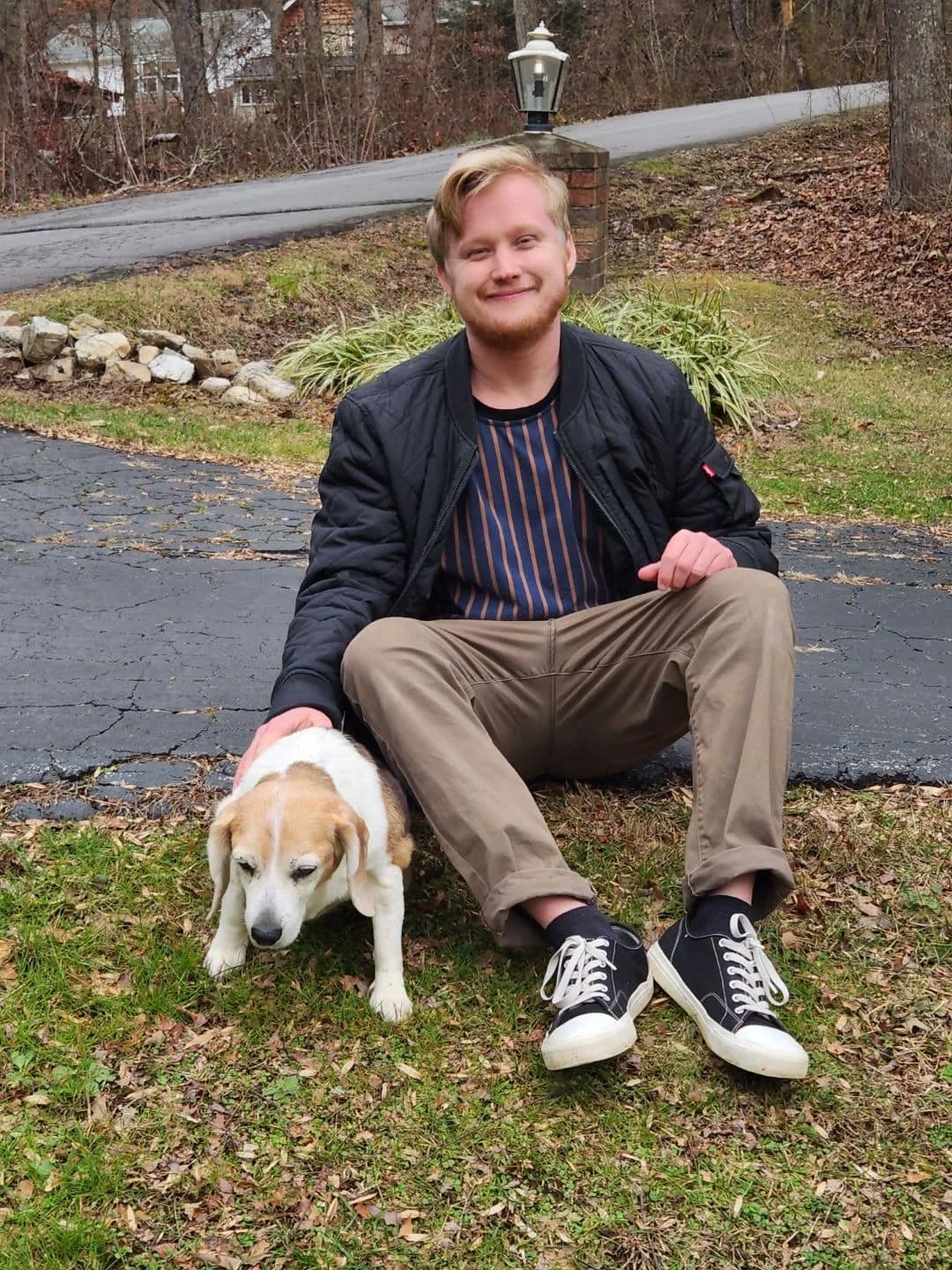
While our work together is always centered on you, many clients appreciate knowing a little about the person sitting across from them. If you're curious, I've long been drawn to understanding people’s stories. Becoming a therapist feels deeply aligned with who I am and it’s a privilege to walk alongside clients as they cultivate greater self-understanding and belonging within themselves.

Living in Asheville my entire life, I bring half a decade of experience in the local mental health field. My background includes work in substance use treatment, college settings, and residential centers.
I earned my M.A. in Counseling from Lenoir-Rhyne University’s Asheville campus.

Outside the therapy room, I enjoy performing in live theatre!
What I love most about acting is how it deepens my appreciation for the complexity of human experience. The stories we both inherit and create can shape how we understand ourselves and the world around us.
This perspective informs my clinical work, where I help clients explore recurring patterns, clarify their values, and, when helpful, rewrite narratives that no longer support the life they want to live.

I am a Licensed Clinical Mental Health Counselor Associate (A20935), practicing under the supervision of Audrey Morris, LCMHCS (144469). I take a trauma-informed approach aims to be culturally humble, neurodiversity-affirming, LGBTQIA+ supporting, anti-racist, body-neutral, and welcoming of diverse identities and relationships.

My Approach

Healing from religious trauma, or any detrimental life experience, is a deeply personal process and it deserves care that is steady, respectful, and grounded in your lived experience. My approach brings together several therapeutic methods that support you in making sense of what you’ve been through and reconnecting with yourself at a pace that feels safe.

I use trauma-informed therapy to prioritize emotional and psychological safety first. Many people coming out of high-control or shame-based environments experience lingering effects in their thoughts, body, and relationships. Rather than rushing into painful material, I focus on building stability, trust, and choice in the therapy space. You set the pace, and your boundaries are always respected.

I also provide LGBTQ+ affirming care, which means your identity is not up for debate, correction, or validation testing. Many clients arrive carrying layers of shame, fear, or confusion shaped by religious teachings. In this space, those experiences are acknowledged without reinforcing harm. You are not asked to explain or defend who you are in order to receive support.

I use an integrated approach, including:

  • Narrative therapy, which centers your personal story.

  • Acceptance and Commitment Therapy (ACT), which helps you relate differently to painful thoughts and emotions rather than getting stuck in them or fighting against them.

  • Emotionally Focused Therapy (EFT) to help partners understand and shift the emotional patterns that keep them stuck in disconnection or conflict.

Religious trauma can leave people feeling like their identity and life story were defined by others. My approach helps you explore your experiences in your own words, separate your sense of self from imposed narratives, and begin shaping a story that feels more honest, grounded, and self-directed. I will support you in building psychological flexibility, learning how to stay present with difficult internal experiences while still moving toward the life, values, and relationships that matter most to you.We’ll focus on strengthening attachment bonds, increasing emotional safety, and helping communicate in ways that foster closeness and trust.

In addition to religious trauma, I also work with:

  • Depression and other mood difficulties

  • Anxiety, panic, and OCD

  • Personality disorders

  • Grief and loss

  • Relationship and couples issues

  • Childhood trauma & insecure attachment

    & More.

Many of these experiences overlap, and we work together to understand how they show up in your life in a connected, compassionate way rather than as separate or isolated problems. I do not try to change your identity or beliefs. I want to support your healing.

You are welcome here whether you are still connected to a faith tradition, questioning it, or have moved away from it entirely. My focus is not on where you “should” be, but on helping you feel more at home in yourself and your own understanding of your life.